The scientists from Kiel University travel to remote places around the world to collect human waste. They want to know how the gut bacteria of people with different lifestyles differ. A significant step in microbiome research.
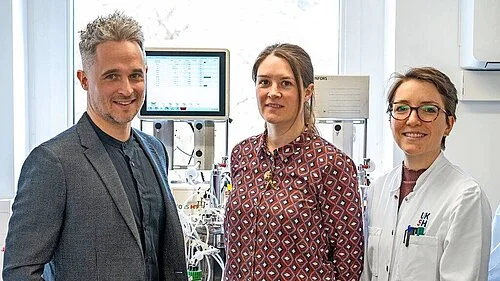
Kiel. Traveling around the world is not unusual for scientists. However, it is exceptional when researchers bring fresh stool samples from their travels back home to examine them in the lab – as microbiome researchers Mathilde Poyet and Mathieu Groussin from the Faculty of Medicine at the Christian-Albrechts-University of Kiel (CAU) do.
Their mission: Decoding feces. To put it simply: they want to understand how the diversity of bacteria in the human gut is linked to the development or progression of diseases. And they want to find this out for as many people as possible, regardless of where they come from and how they live. This is new.
It is already well known from numerous studies that the composition of bacteria in the gut, the microbiome, has a major impact on the body and health. “We suspect that changes in lifestyle in industrialized countries over the past decades have led to significant changes in the microbiome,” says Professor Groussin. The scientists assume that this is linked to the global rise in diseases such as chronic inflammatory bowel diseases, cancer, and diabetes.
Research in Kiel with 1,500 stool samples from 17 countries
The problem: Until now, almost all research findings and therapeutic approaches have been based on studies from the US, Europe, or China, says the French scientist. For a large portion of the world’s population, especially those from non-industrialized and rural regions, these findings are therefore likely not applicable. “The typical healthy microbiome in Africa or Southeast Asia may look very different from that in Europe,” says Groussin. How exactly? There is little insight into this.
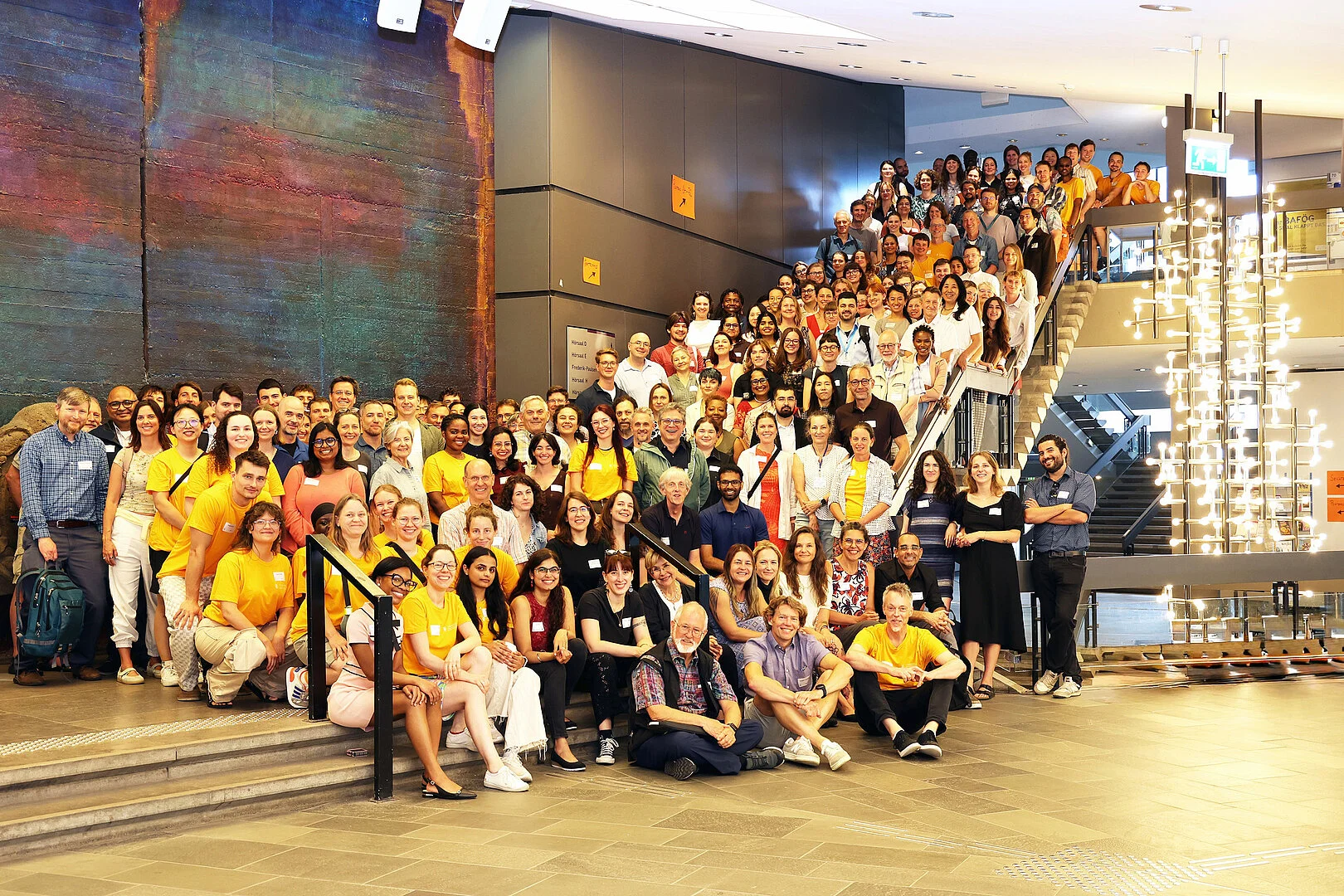
Poyet and Groussin want to change that. This is why the couple founded the “Global Microbiome Conservancy” project about eight years ago. Since then, they have traveled extensively around the world, collecting stool samples from populations that have been underrepresented in microbiome research. They have already visited 17 countries, including Nigeria, Malaysia, and Pakistan. In total, they have collected more than 1,500 fresh stool samples.
Voluntary stool samples: A taboo subject in many countries
Groussin explains that they organize events in the target countries at village squares or community centers. There, they explain to the indigenous people with the help of interpreters what they are researching, why they are doing it, and what they need – namely, a stool sample.
In Europe and the US, it is much more difficult to get people to provide a sample, as it is a taboo subject for many. In the target regions, however, there are many volunteers who are happy to participate in the project, says Poyet. “They understand why it’s important.”
Stool samples from all over the world are sent to CAU Kiel by freight
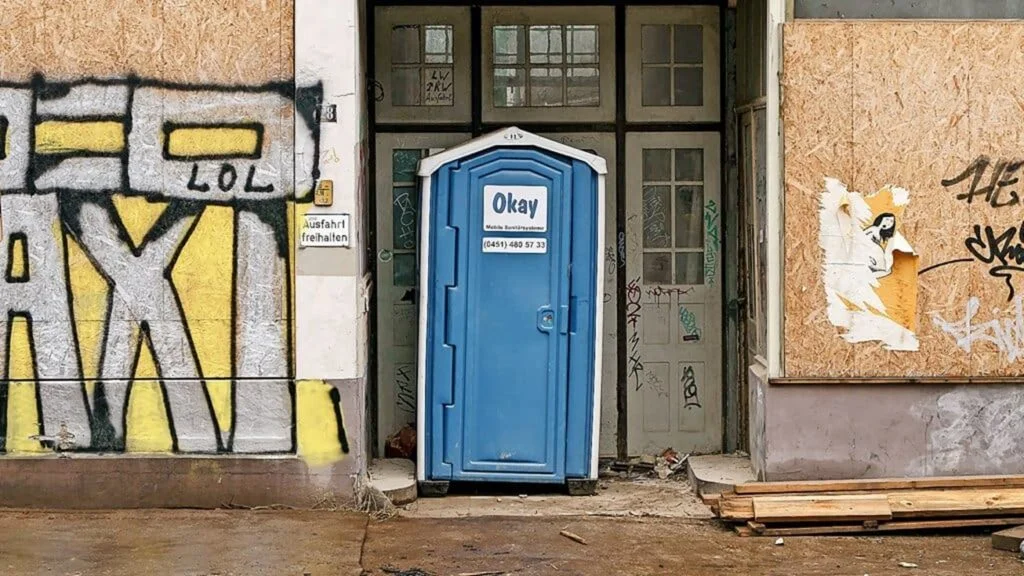
What happens next is not exactly as one might imagine: the project assistants get a bowl and do their business. Poyet and Groussin then take their samples. A portion of the samples remains in the country so that local scientists also benefit from the project, says Poyet. This is an important part of their work ethic.
The remaining stool samples are sent by freight to Kiel – this way, they can avoid uncomfortable questions at the airport, joke the researchers from CAU. In reality, it is a large bureaucratic effort to import the samples to Germany, as they may contain potential pathogens, explains Poyet.
Experiment at UKSH: Bioreactor replaces the human gut
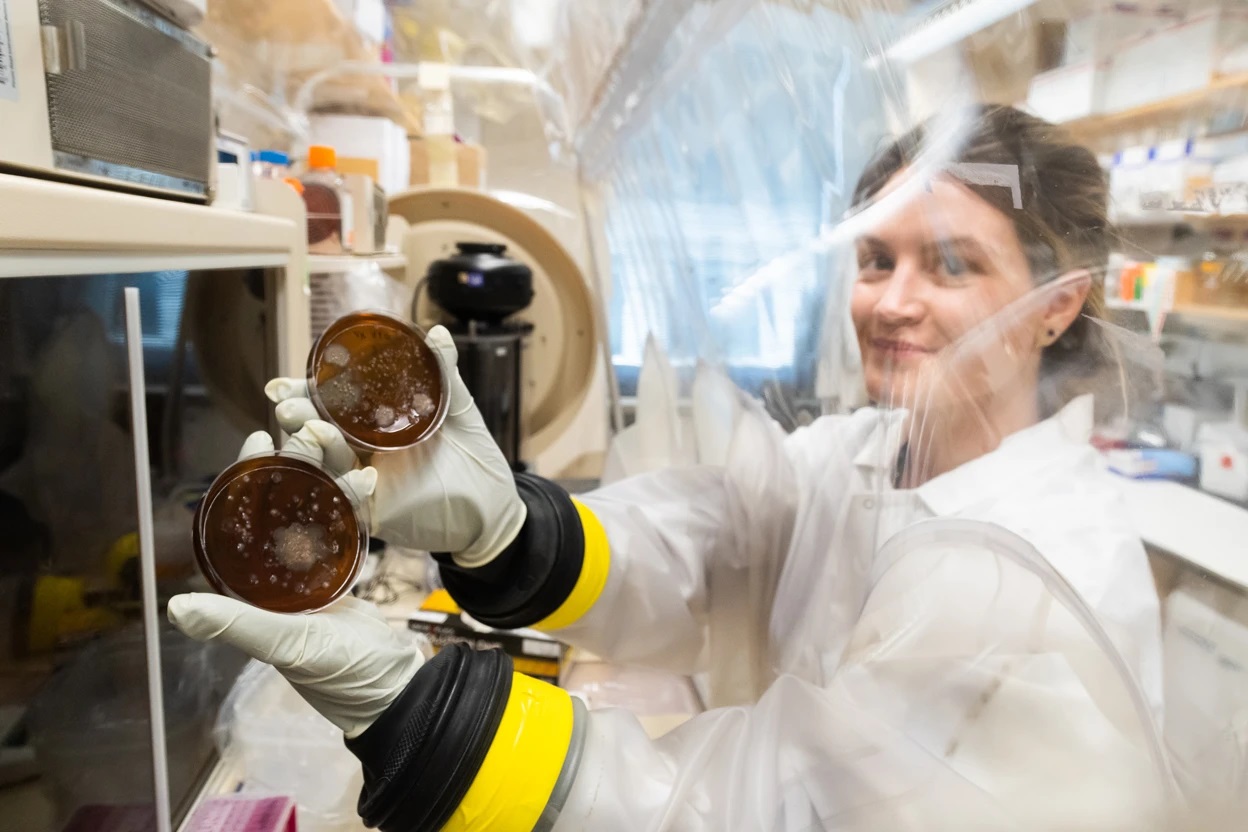
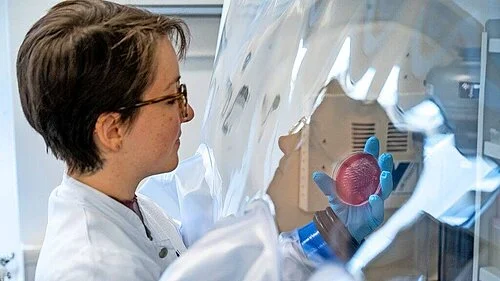
In their lab in Kiel, the scientists isolate the gut bacteria from the stool samples and analyze them molecularly. One goal has been achieved: the researchers get an overview of how differently the microbiomes of people around the world are structured.
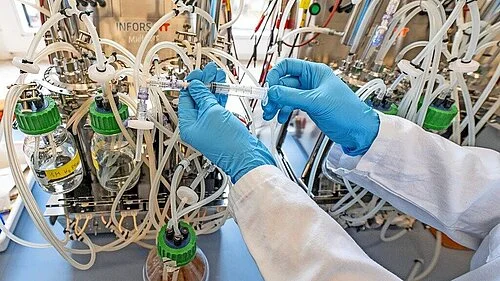
But that’s not all. Since November 2023, the research team in Schleswig-Holstein has been experimenting with a so-called bioreactor. This apparatus, a tangled mess of tubes and jars with different colored solutions, simulates the human gut.
The microbiome reacts to medication and diet
Lab technician Hannah Jebens introduces a stool sample along with its gut bacteria into the bioreactor. The conditions are like those in the actual gut: a temperature of around 37 degrees, a pH level between 6 and 7, no oxygen, explains Jebens. “This is where the bacteria feel comfortable.”
Now, one can investigate all sorts of things, says Professor Poyet. For example, how different microbiomes react when the diet – here, a nutrient solution – is changed, or when medications are added.
Microbiome research in Kiel: Early detection of diseases
What affects the international gut bacteria positively or negatively? When the scientists better understand these connections, there is potential to detect diseases early and develop therapies, says Poyet – for as many people as possible around the world.
KN
Contakt:
Tanita Averes, 11.04.2024 in Kieler Nachrichten
Scientific contact:
Mathilde Poyet (Institute of Experimental Medicine, Kiel University) – m.poyet@iem.uni-kiel.de
Mathieu Groussin (Institute of Clinical Molecular Biology, Kiel University) – m.groussin@ikmb.uni-kiel.de