
Description of the research project
The scope of biomedical ethics requires an interdisciplinary approach. Specialist expertise from a variety of disciplines is needed in order to address the wide-ranging ethical challenges in this field.
Apart from ‘classical’-issues of clinical ethics, e.g. reproductive medicine, end of life-decision making, or transplantation, the field also deals with the current ethical questions in biomedical research, such as the appropriate handling of research data. A central focus of interest is also in the areas of socio-cultural and socio-political perspectives such as the treatment of chronic illnesses or the provision of just and sustainable health care.
Consultation
Research Ethics Consultation Service
If you are planning a biobank or want to conduct research with clinical samples, you need approval from the relevant ethics committee. An essential part of an ethics application is the information and consent documents for patients, study volunteers, and participants. To help prepare these documents for submission to the ethics committee, the P2N Biobank Network at the Medical Faculty of CAU offers a research ethics consultation service that advises medical and scientific colleagues on ethical, legal, and social aspects of their applications. This service helps reduce the effort involved in applying and reviewing for both researchers and the ethics committee, making it a useful addition to improving efficiency in medical research at CAU As supporting material, a generic modular informed consent form for patients and study participants was developed, based on the current template of the Working Group of Medical Ethics Committees in Germany (AKEK). This generic model document has already received an approving vote from the Ethics Committee of the Medical Faculty of the CAU and opens up the possibility of a broad consent for the use of biomaterials and related medical data for current and future research projects. Studies and research projects as well as biobanks that aim for the use of data and biomaterials under a broad consent have the option to use the above-mentioned document by adapting a few study-specific aspects.
Dr Gesine Richter
Clinical Ethics Consultation
The institute organizes clinical-ethical consultation at UKSH and is accessible to all employees, patients, and their relatives:
- Tel. No. 0173/5232164
- Email: kek.kiel@uksh.de
Consultations or case discussions on the ward can be arranged on short notice through this contact.
With the adoption of the rules of procedure in September 2017, the Clinical Ethics Committee (KEK) at the Kiel campus was able to begin its work. The Ethics Committee of the UKSH, Kiel campus, serves as an independent body for advice, guidance, and information on medical-ethical clinical questions. It sees itself as a forum for controversial moral decision-making and offers the opportunity to ethically reflect on and review decisions to be made or already made in an interdisciplinary and interprofessional manner.
The Clinical Ethics Committee is NOT responsible for consultation regarding research projects, drug studies, etc. Responsibility for research ethics and legal matters lies with the Ethics Committee of the Medical Faculty of the Christian-Albrechts-University. Please contact the Ethics Committee directly in these cases.
Course “History, Theory, and Ethics of Medicine”
Content
In the Medical Licensing Regulations, passed by the Federal Council in 2002, the “teaching of intellectual, historical, and ethical foundations of medical conduct” is established as a core area of medical studies (§1, 1ÄAppO).
With the lecture “History, Theory, and Ethics in Medicine,” we aim to give you an understanding of historical contexts as well as theoretical and normative foundations that are significant for medicine as a science and as a practice.
In the lecture, we will address some questions that relate to very concrete and often difficult decision-making situations that may arise in clinical practice and that you may have already encountered. Other questions may initially seem more theoretical in nature but ultimately also concern medical practice.
Organizational
- We are very happy that teaching can take place in the winter semester 2026-27.
- Lectures always take place on Wednesdays from 1:15 PM to 2:45 PM in the Pathology lecture hall.
- Psychology students who take this lecture as an elective, as well as master’s students of teaching imports, unfortunately cannot be supervised this semester.
- The exam consists of 20 multiple-choice questions. You have passed if you answer 11 of them correctly. If you fail, you have the opportunity to retake the exam the following semester.
- The seminar sessions will take place in 3 block units (each 120 minutes) and will be conducted by very experienced lecturers, who will introduce you to ethical issues from their professional practice in a case-based manner. Attendance is mandatory to obtain the certificate. Since not all students attend the same seminars, the content is not relevant for the exam. Please enroll in 3 seminars on OpenOlat.
- You can find the dates and topics for lectures and seminars on OpenOlat.
- We want to improve our teaching and need your feedback for that. Feel free to send us constructive suggestions for improving the lectures and seminars during the semester at the following email address: medizinethik@iem.uni.kiel.de
We look forward to exchanging ideas with you.
Group leadership
Position is to be determined
Team
-
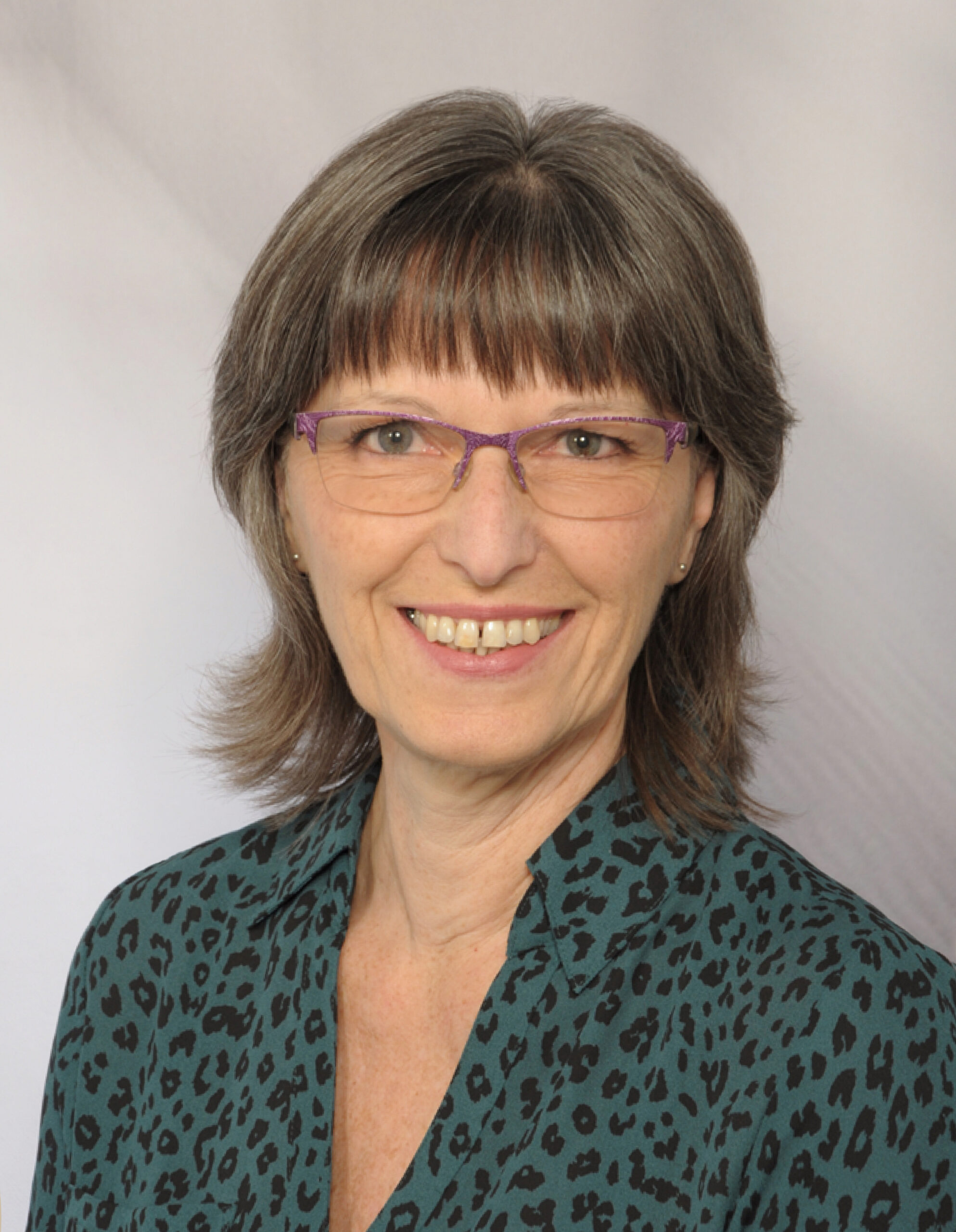
Gabriele Eilenberger
Assistance+49 431 500-30331
-
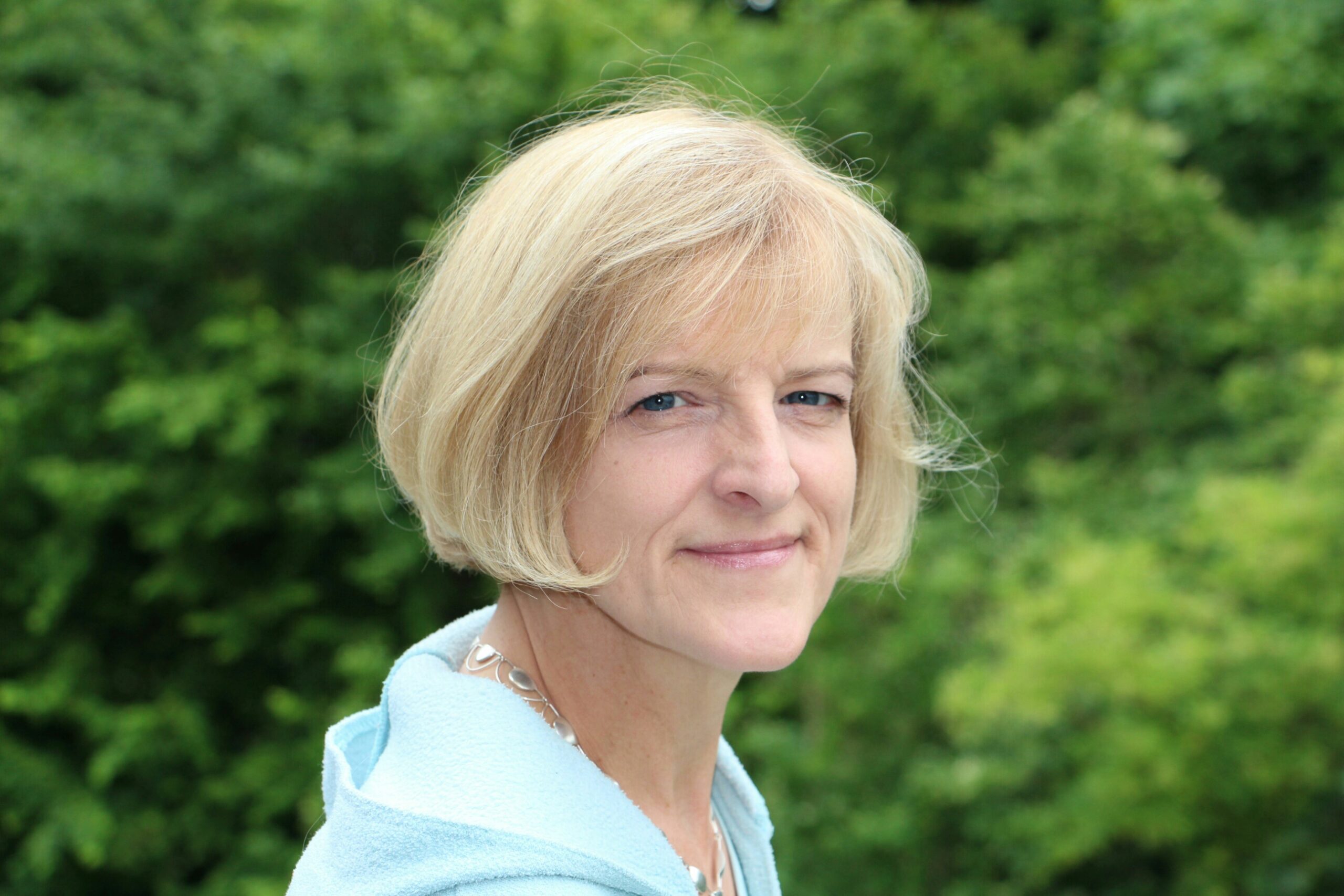
Dr. rer. medic. Gesine Richter
Research associate+49 431 500-30303
-
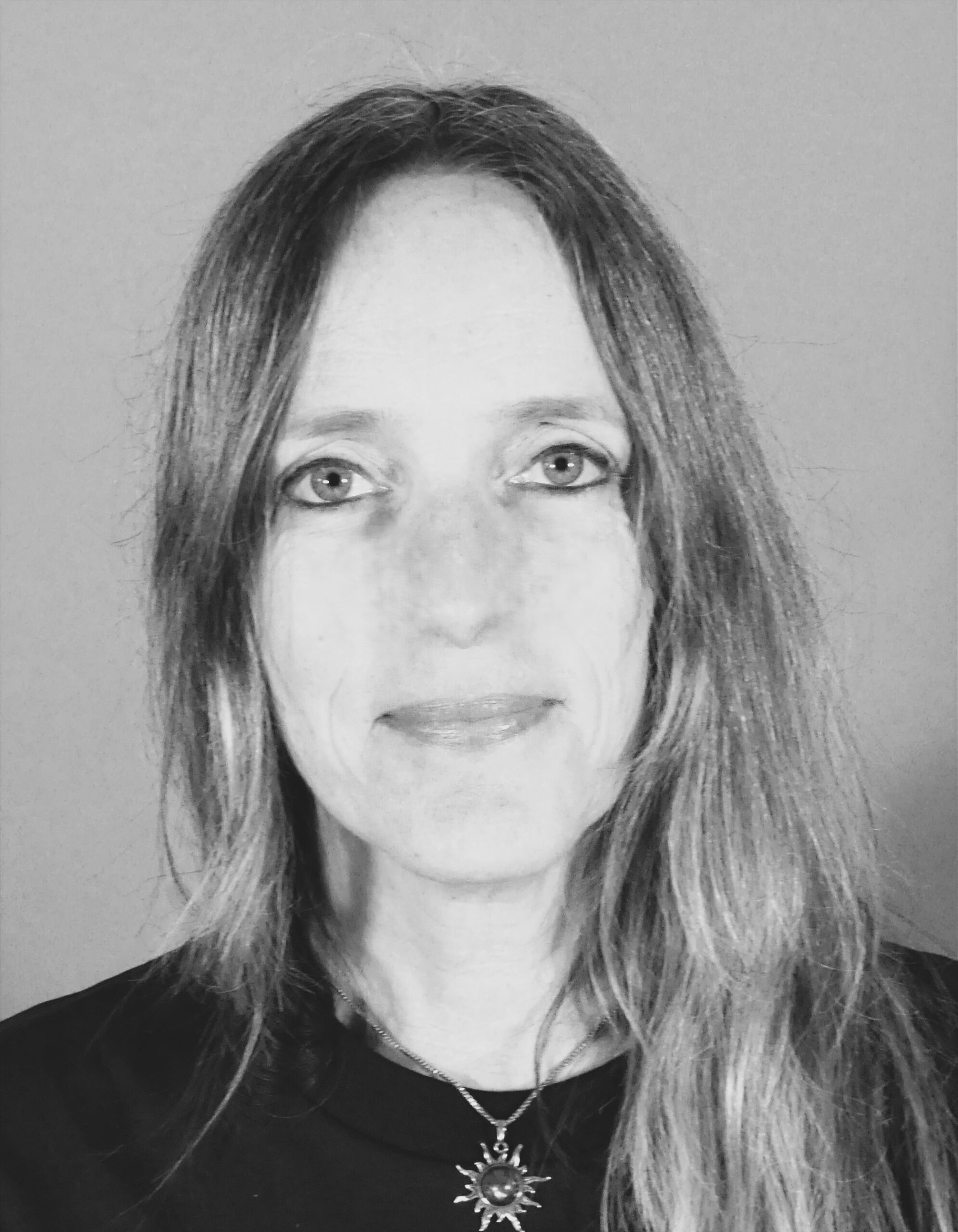
Susanne Hiekel
Research associate
Information about Dr Gesine Richter, rer. medic.
Gesine Richter is a research associate at the Institute of Experimental Medicine; she holds a Dr. rer. medic, a Magistra Artium (MA) in political science and an MBA in higher education and research management.
Her research focuses on the ethical, legal and social aspects of medical biomaterial and data collections in biobanks. Her particular focus is on the forms of consent required for the secondary use of medical data for research purposes. In this regard, she also advises the biobanks at the UKSH, Kiel Campus. In addition, she advises researchers at the Kiel Faculty of Medicine on issues relating to research ethics.
Other current research priorities include the acceptance and structuring of data donation for the use of data from various sources in medical research, as well as the consent of children and young people to the broad collection and use of data for research purposes.
Information about Susanne Hiekel
Susanne Hiekel is a research fellow at the Institute of Experimental Medicine, in the Medical Ethics section.
Her research focuses on the DFG EXC Cluster of Excellence ‘A Good Life through Precision Medicine’.