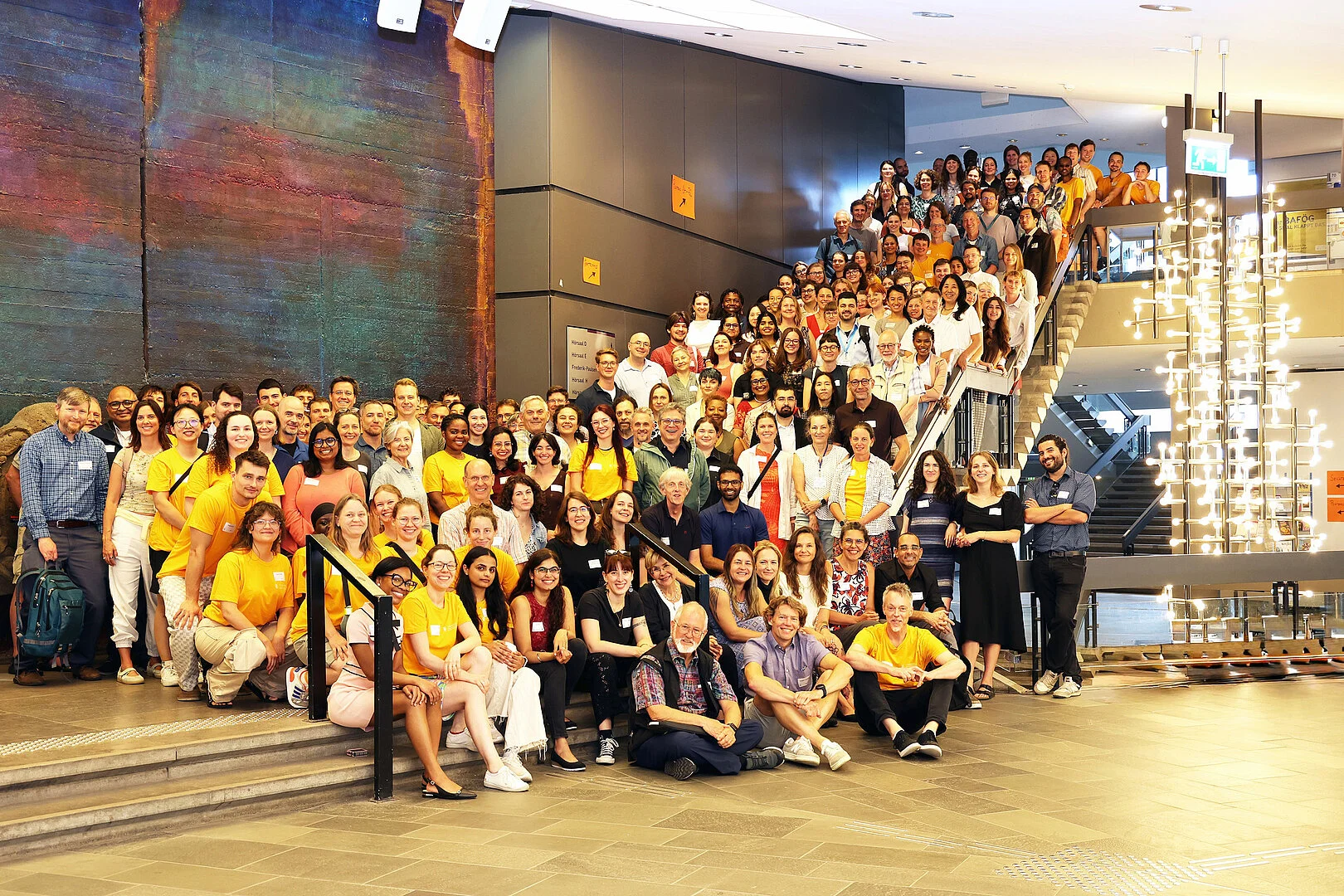
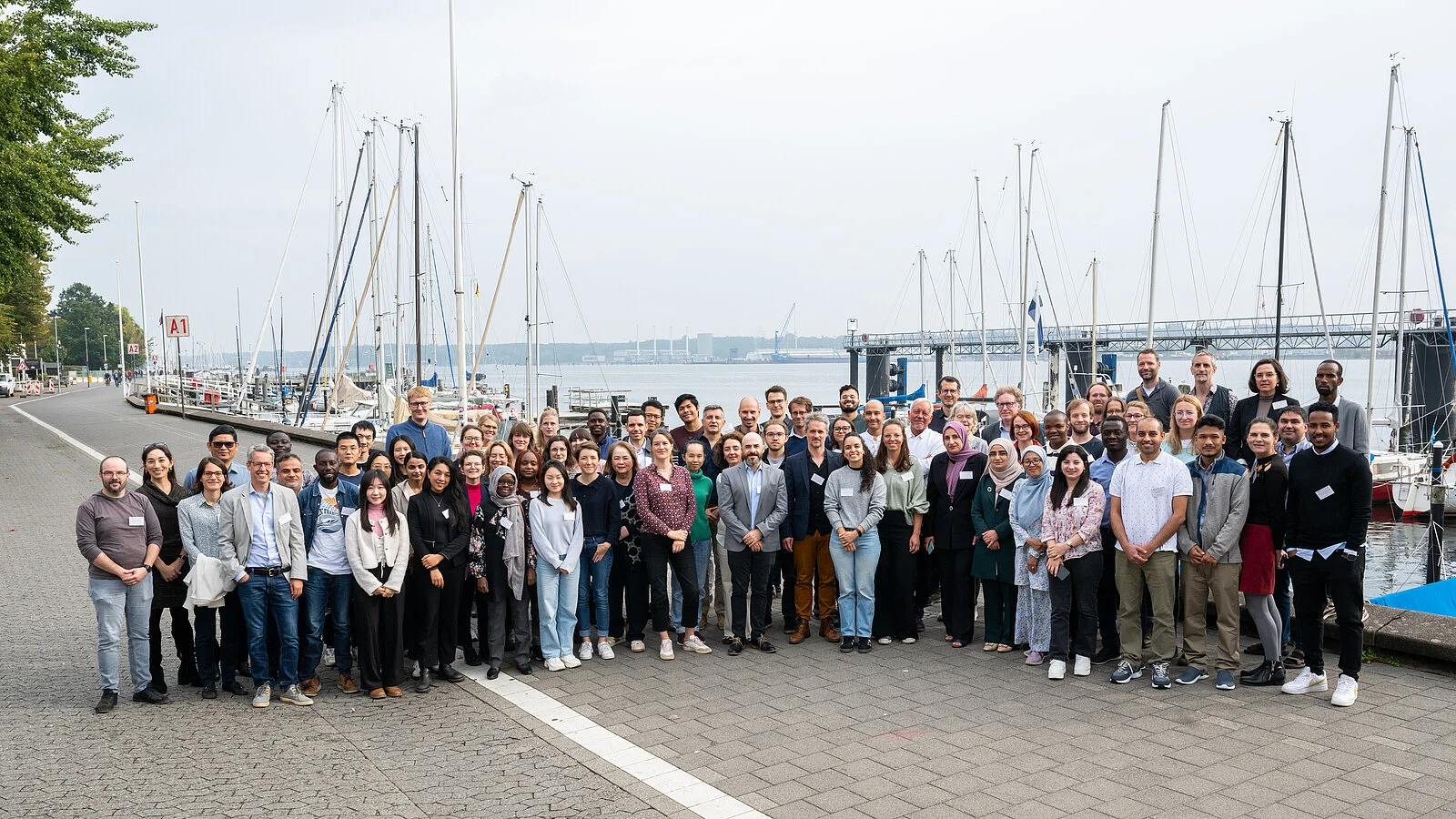
The Kiel Microbiome Center (KMC) is pleased to announce the successful completion of its inaugural event series held from September 23 to 26, 2024. This exciting and interdisciplinary series included the official launch of the KMC, a 1-day conference on microbiome science and ethics, and a specialized workshop on microbiome bioinformatics. The events brought together renowned scientists, thought-leaders, and international researchers to discuss the latest developments in microbiome research and its ethical implications.
Sept 23: KMC Kick-Off Event
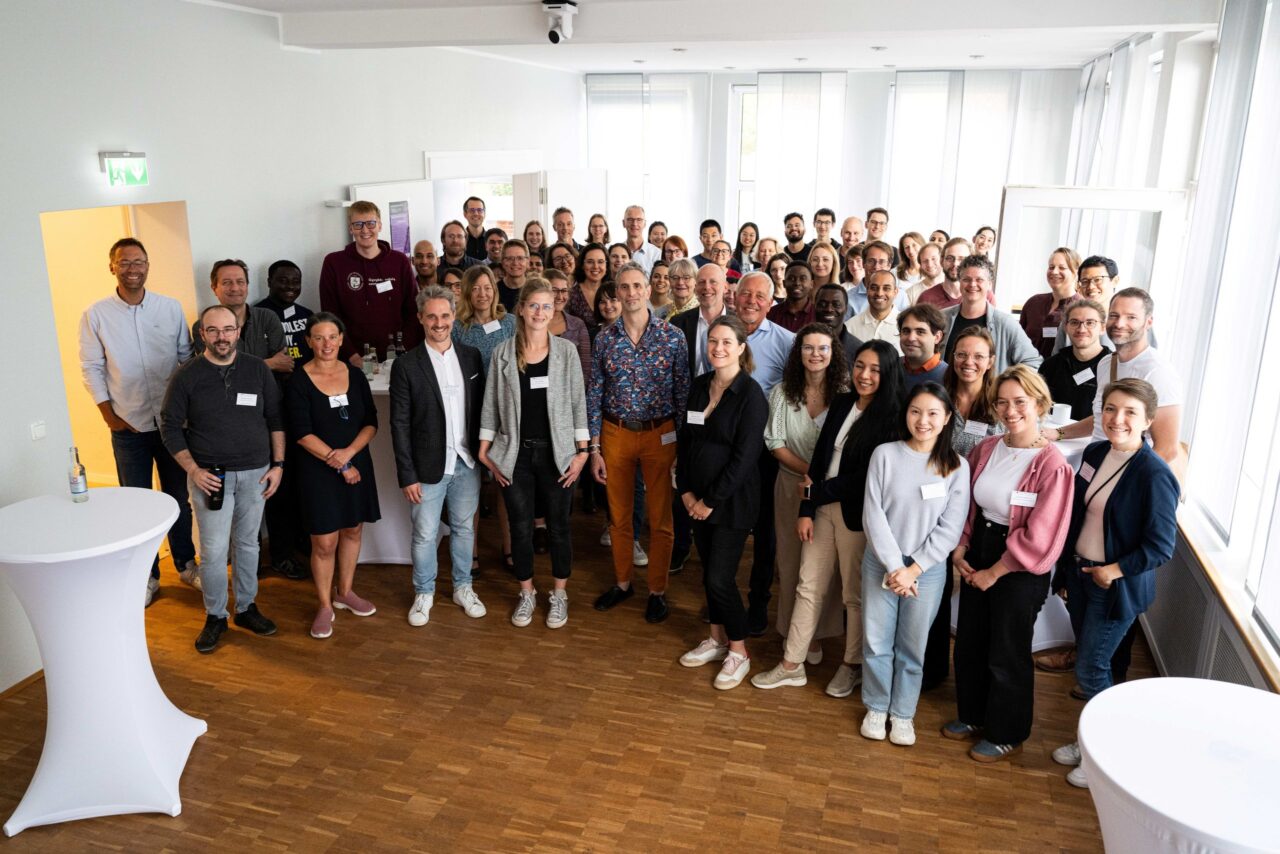
The launch event for the Kiel Microbiome Center (KMC) marked the beginning of a new chapter in microbiome research at Kiel University. The KMC is a trans-faculty hub, created to foster interdisciplinary collaboration and innovation in microbiome science. This event featured a series of presentations from leading scientists from Kiel University and beyond, showcasing various aspects of microbiome research and the future vision of the KMC.
Key Presentations:
- Thomas Bosch (Kiel University) presented on how microbiome research has transformed at Kiel University.
- Eric Alm (Massachusetts Institute of Technology, United States) shared insights on his work as Director of the Center for Microbiome Informatics and Therapeutics, supporting research into Inflammatory Bowel Disease.
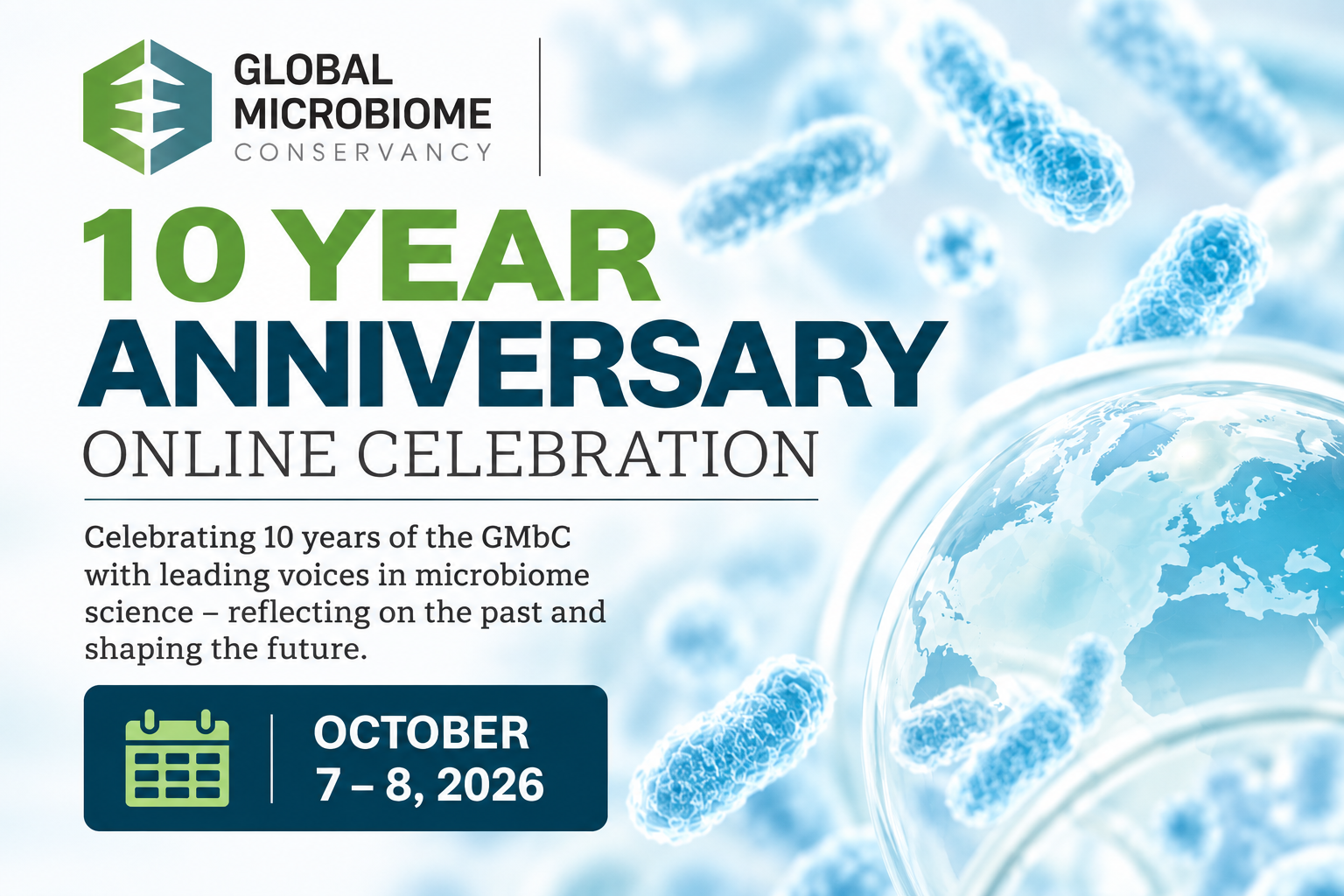
- Mathilde Poyet (Kiel University) discussed her vision for the KMC and its flagship initiative, the Global Microbiome Conservancy.
- Researchers from Kiel University, Hinrich Schulenburg, Christina Hölzel, Corinna Bang and John Baines presented on topics ranging from C. elegans-microbiome interactions to human microbiomes in chronic diseases.
Following the presentations, attendees enjoyed a networking reception, further strengthening ties between researchers and fostering new collaborations.
Sept 24: Microbiome Science and Ethics Conference
This conference brought together experts to explore the intersection of microbiome science and ethics, featuring speakers from MIT (Eric Alm), the University of Chicago (Ran Blekhman), Stellenbosch University (Thulani Makhalanyane), Lausanne University (Pascale Vonaesch), and DSMZ (Amber Scholz).
During the day, speakers highlighted the importance of fostering inclusivity, building local research capacity, and ensuring fair benefit-sharing in microbiome science. Key discussions emphasized the need to include underrepresented populations, particularly from low- and middle-income countries (LMICs), to improve the global relevance of research findings and promote equity. Context-specific research agendas and innovative, ethical consent mechanisms were also underscored as essential for building trust and sustainable partnerships with local communities. The conference stressed the importance of strengthening infrastructure and empowering local scientists in LMICs through equitable collaboration and resource access. Additionally, it explored challenges in aligning microbiome research with international frameworks like the Nagoya Protocol, advocating for transparent benefit-sharing models and equitable open data practices to prevent exploitation and ensure fair attribution of scientific contributions.
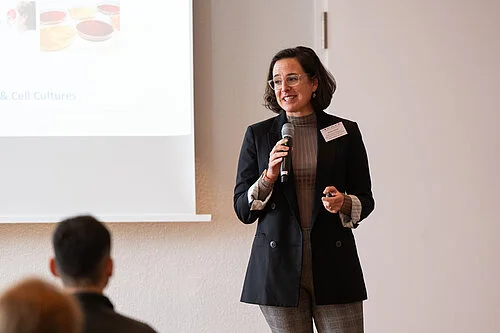
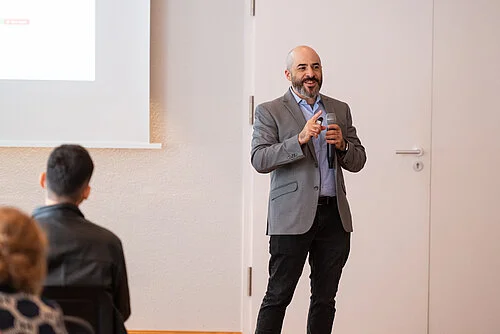
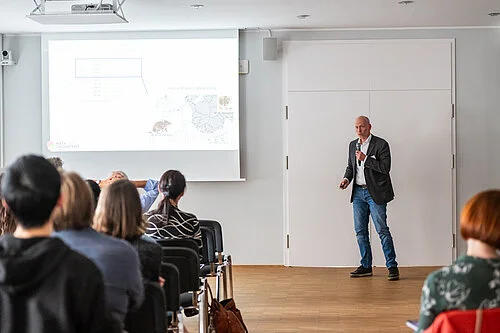
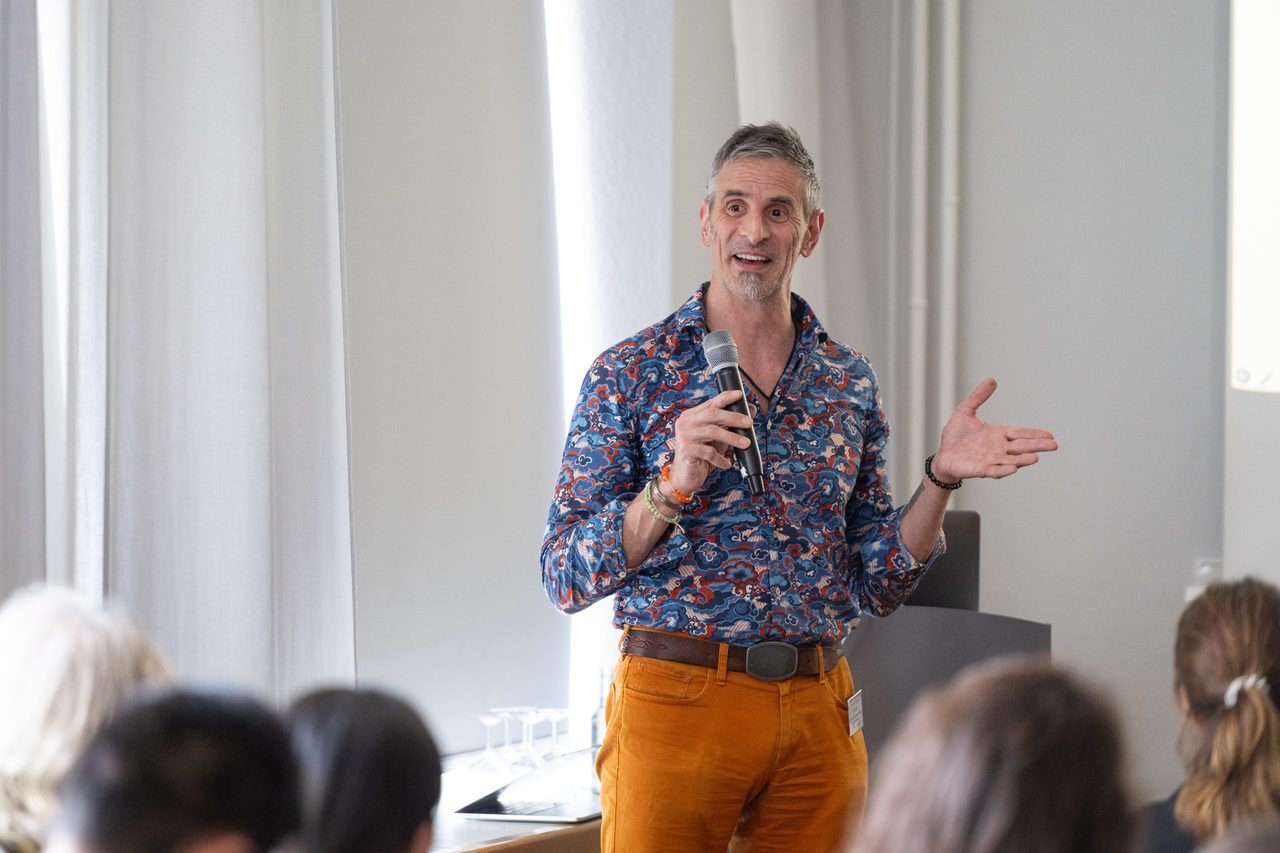
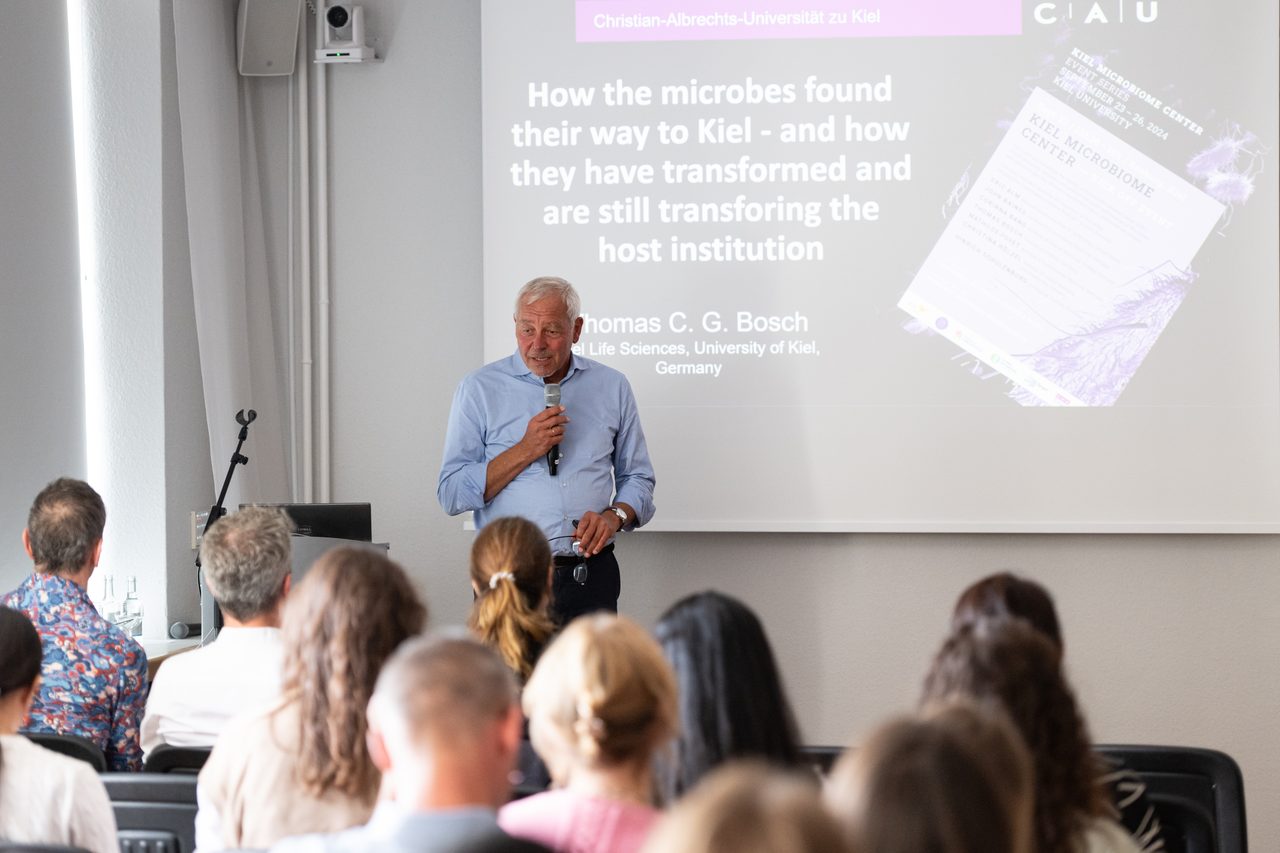
Guests from 17 Countries and Highlight Talks
We were honored to host scientists and researchers from 17 different countries that are part of the Global Microbiome Conservancy (GMbC) consortium. These international partners shared their work on microbiome research and its applications in their respective countries through highlight talks during the conference. Walter Sandoval from Paragua, Aida Badiane from Senegal, Prajwol MAnandhar from Nepal, Nurul Jamaluddin from Malaysia and Ana Binetti and Gabriel Vinderola from Argentina provided valuable perspectives on how microbiome science is being applied to local challenges across the world.
The Kiel Microbiome Center remains dedicated to advancing ethical and equitable microbiome research. We hope that this conference and its discussions will inspire further reflection and collaboration as we continue to refine our global approach to microbiome science, particularly through our flagship project, the Global Microbiome Conservancy.
Sept 25-26: Microbiome Bioinformatics Workshop
The bioinformatics workshop, held over two days, focused on training researchers in microbiome data analysis and visualization techniques. The workshop was accessible to both beginners and experienced bioinformaticians, and included hands-on sessions with real-world data.
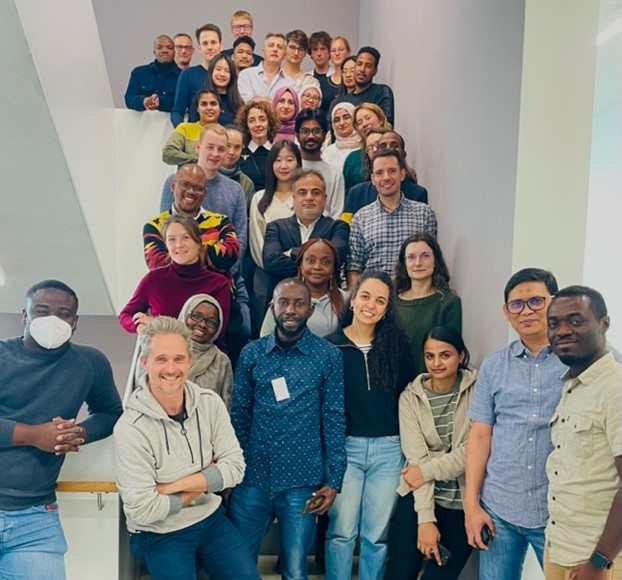
Workshop Overview:
- Data Analysis and Visualization: Participants learned to process 16S amplicon sequence data using bioinformatic tools, perform integrative statistical analyses, and create data visualizations.
- Practical Application: Attendees worked with unpublished microbiome data from the Global Microbiome Conservancy cohort, providing a unique opportunity to contribute to ongoing research projects.
- Instructors: The workshop was led by experts from Kiel University, including Olga Brovkina, Emmanuel Quaye, Ana Schaan, and Eike Wacker.
Key Takeaways and Moving Forward
The Kiel Microbiome Center’s inaugural event series highlighted the importance of collaboration, ethical considerations, and the development of local research capacity to advance microbiome science globally.
Building on its flagship project, the Global Microbiome Conservancy, the Kiel Microbiome Center looks forward to supporting the growth of microbiome research, enhancing local capacities, and exploring innovative solutions to the ethical challenges posed by the field.
Contact:
Mathilde Poyet (Institute of Experimental Medicine, Kiel University) – m.poyet@iem.uni-kiel.de
Mathieu Groussin (Institute of Clinical Molecular Biology, Kiel University) – m.groussin@ikmb.uni-kiel.de
Explore the GMbC website: Global Microbiome Conservancy
Co-founders & Scientific Directors, Global Microbiome Conservancy
www.microbiomeconservancy.org
microbiomeconservancy@gmail.com
Author: Christian Urban
Find the full article here